
Today we took a step back in time at Mont De Lancey Historic Homestead in Wandin North.

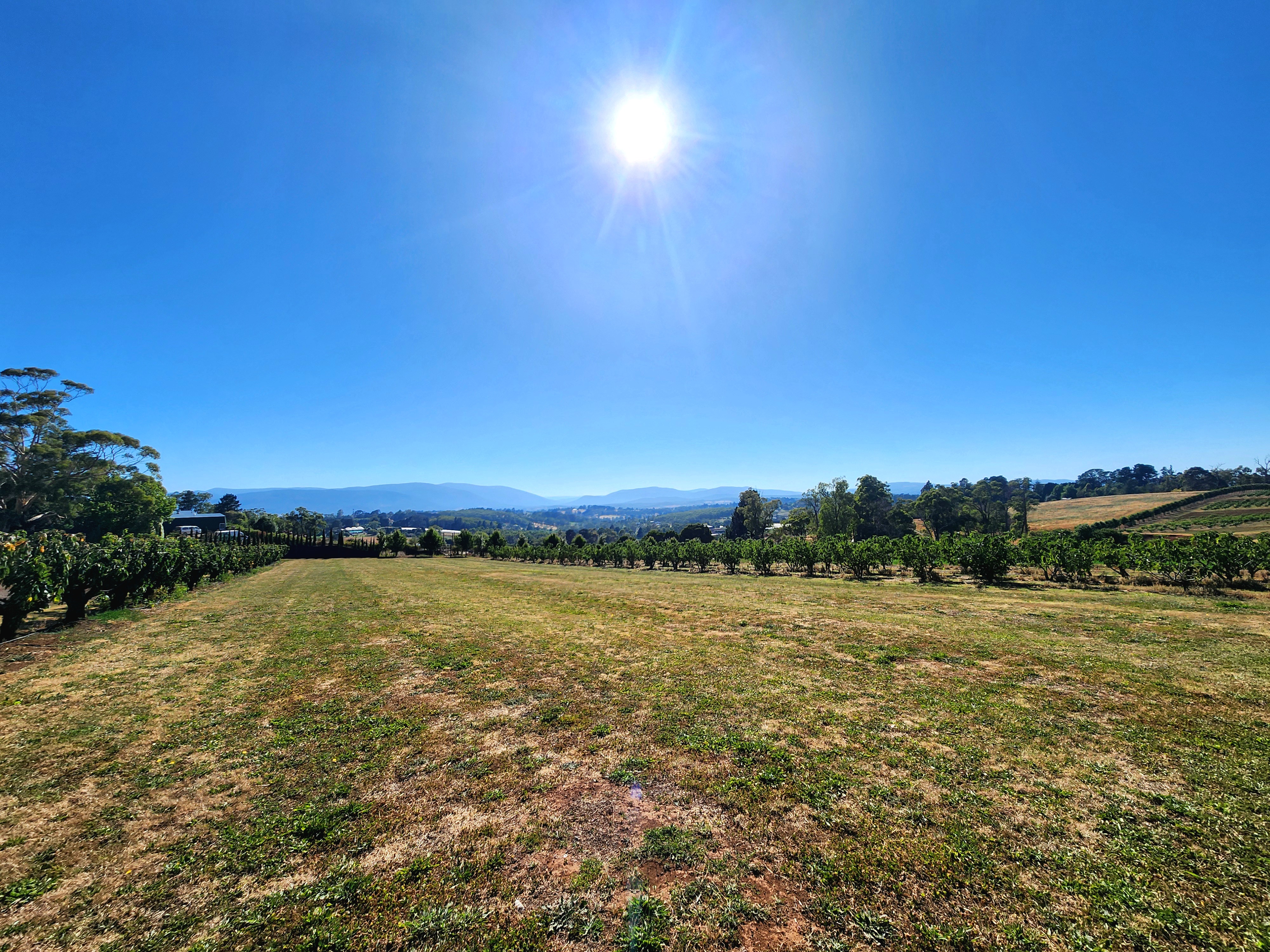
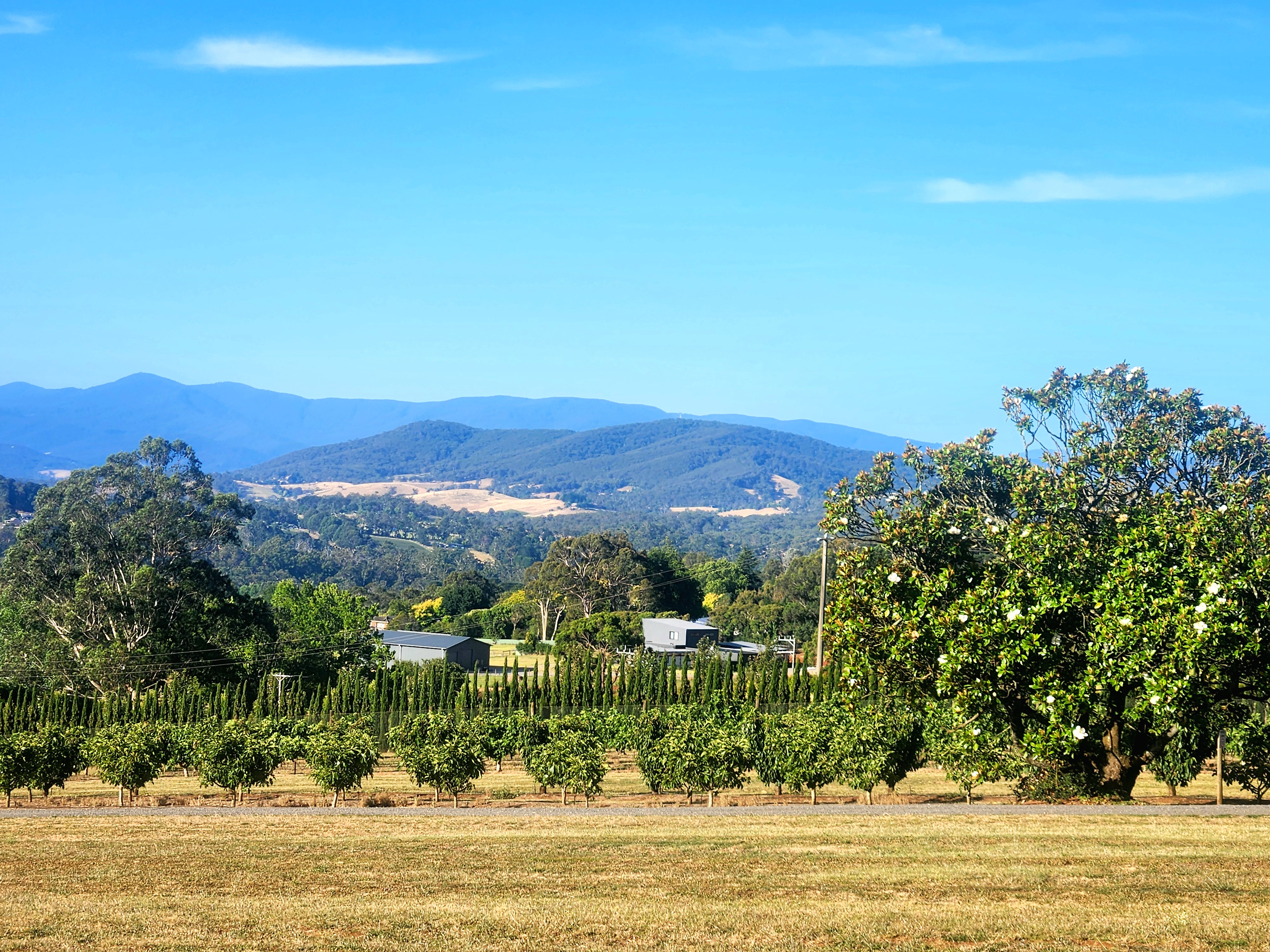
The homestead sits quietly among the rolling hills.

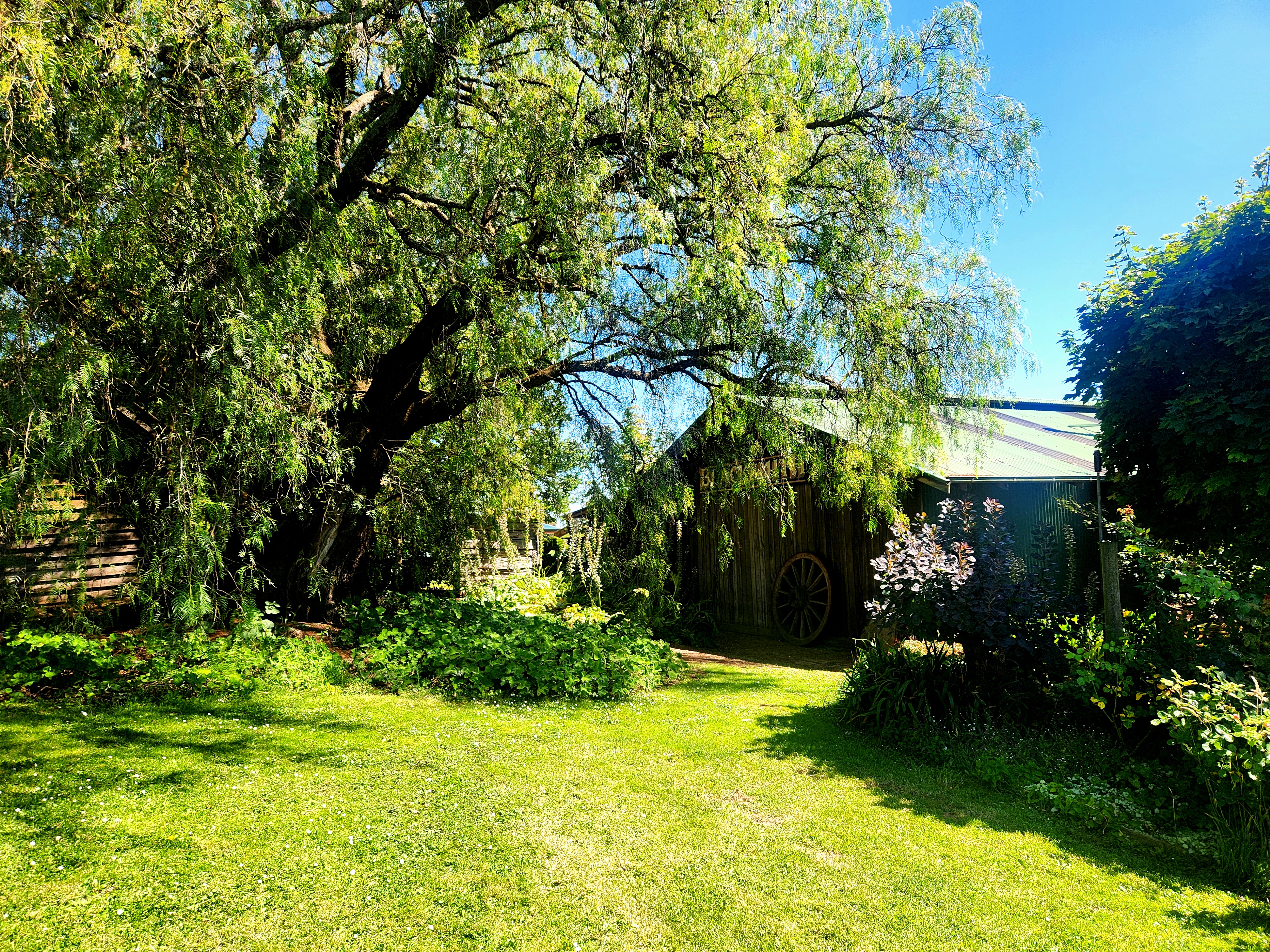
Around it, old trees sway softly in the breeze.

The gardens seem alive with a quiet hum of history.

It’s the kind of place that makes you slow down.

We met one of Henry Sebire’s descendants, which made the stories feel even more real.

Henry, a stonemason from Guernsey, built the house in the 1880s using bricks he made himself from clay dug right on the property.

It became the first brick home in the district.

His wife Martha and their children made it a warm and busy family home.

My favourite part was the old slab kitchen, resting just beyond the house with walls darkened by years of use.

It felt alive with memory — the smell of old wood and polish hung in the air.

The big wooden table looked as though it had witnessed a lifetime of family meals being prepared and shared.

On the bed sat a historic Australian Wagga quilt, lovingly made from scraps of old wool and fabric, a reminder of the resourcefulness of the time.

You could almost imagine the fire crackling in the hearth and the smell of bread baking.

Or a pot of soup simmering on the stove, filling the room with comfort.

In the corner, a rocking chair waited — as if someone had just stepped away for a moment.

We wandered into the blacksmith’s workshop, where the steady clang of metal filled the air.

Sparks flew as the iron met the anvil. Soon we found ourselves deep in conversation with Oscar about the art of blacksmithing.

Above the forge hung a cross, a tribute to Saint Brigid of Ireland, one of the patron saints of blacksmiths.

It was a touching detail — a quiet reminder that even in hard labour, faith found its place.

The gardens were bursting with colour.

Wisteria trailed lazily across fences, spilling purple blossoms that danced in the breeze.

Roses, daisies, and salvias added splashes of pink and white.

A grand old peppercorn tree, planted by Thomas Sebire in 1902, stood proudly by the path, its branches heavy with memories.

We laughed as we spotted a network of rabbit holes in the garden — it looked like something out of a children’s storybook, and I half expected to see a rabbit in a waistcoat like my grandfather’s, hurrying past with a pocket watch in hand.

This is a place I’d like to return to one day — to wander the gardens again with my children and grandchildren, and share a hot chocolate together in the café on the grounds.

We stepped inside the homestead, where every room seemed to breathe with stories of family life, as if the house itself whispered in echoes of music and memory.

We admired the musical instruments that once filled the rooms with song — a double bass, a trumpet, and even a beautiful Cornish organ imported from America in 1911.

Music was clearly woven into the family’s life. In fact, Thomas Sebire started a brass band in 1897, and I could just picture the family gathering in the music room, singing hymns and playing together by the fireplace.

Each room told its own story.

The children’s bedroom was simple and sweet, with handmade toys and patchwork quilts.

The dining room was elegant yet homely, ready for Sunday dinners and special occasions.

On a dressing table in one of the bedrooms sat a precious keepsake — a Bible given to Henry’s first son, Henry Torode, by his mother on his 21st birthday.

It felt deeply personal, a glimpse into their faith and love.

Before leaving, we stopped by the little chapel, St Mary’s, built in the 1920s.

Peter sat at the old organ and played softly, filling the air with gentle notes that lingered.

It was one of those still moments where time seems to stand still.

As we wandered back through the gardens, the scent of wisteria and the sound of birds followed us.

Everywhere we looked, the gardens felt alive — a patchwork of colour and calm.

Lazy paths wound between garden beds brimming with old-fashioned blooms.

Bees drifted slowly from flower to flower, busy in their unhurried way.

Beyond the hedges, the hills framed it all like a painting, soft and golden in the afternoon light.

It was a place that made you forget time altogether, content just to stand still and take it in.

Mont De Lancey is so much more than a museum — it’s a story lovingly kept alive.

A place where faith, family, and the beauty of simple living still speak through every creak of the floorboards and every petal in the garden.

Visiting places like this reminds me how much strength and grace are hidden in the ordinary.

The Sebire family’s life was full of hard work, but also music, faith, and love.

Their story lingers in the air, woven through every room and garden path.

It’s a quiet reminder of gratitude, resilience, and the beauty of remembering where we’ve come from.


Won't you PLEASE leave a Reply?