
Still making our way from Canberra to Wodonga, and fresh from our stop in Jugiong, we decided to pull into Gundagai — famous, of course, for the Dog on the Tuckerbox. I think just about every traveller has paused there at some point on their way between Melbourne, Canberra, or Sydney.
I certainly have.

My photo storage is filled with old snapshots of my children, small sticky fingers wrapped around melting ice creams, right at that very spot.
But today we did something different.

Instead of simply stretching our legs and moving on, we took a little detour into the town itself — and I’m so glad we did.

We drove right to the top of town first, taking in Gundagai from a bird’s-eye view before descending and wandering along the main street.

These moments are the true magic of road travel: turning off the highway, discovering small towns bursting with stories, character, and charm.

Gundagai was exactly that — a place brimming with unexpected history.

What struck me immediately were the little stories painted across the walls of the buildings.

Each one offered a window into the town’s past, and what we thought would be a quick half-hour stroll stretched far longer as we stopped again and again to read, absorb, and reflect.

Two stories, in particular, captured my imagination. The Great Rescue of 1852 was one of them.
Gundagai’s Aboriginal and non-Aboriginal communities share a deep, enduring bond, anchored in the extraordinary events of the 1852 flood — still one of the worst natural disasters in Australia’s history.

During that terrifying night, the heroic Wiradjuri men saved 69 lives, paddling people to safety through the raging waters in nothing more than bark canoes.
Their bravery remains unmatched.
The late Uncle Vince Bulger described the Great Rescue as one of the earliest acts of reconciliation:
“No matter what colour — black, white, red or yellow — they saved them.”

Those words touched something deep in me.
This story continues to echo through Australia’s journey toward reconciliation even today.

In 2017, a sculpture honouring the Great Rescue was unveiled — a beautiful tribute to courage, humanity, and unity in the face of disaster.

The second story that stayed with me was that of Bruce Dennis, who began delivering the mail back in 1950 — on horseback.

Six days a week, through heat, storms, floods, and cold, Bruce faithfully travelled the 18-mile route.

For over 81 years, Gundagai relied on mounted posties, and Bruce was the last of them.

Even when the town was knee-deep in floodwater in 1974, Bruce made sure the mail got through.

His first horse was Lolly, and his last — Frosty — worked beside him for 17 years.

Bruce not only rode his horses; he cared for them, feeding, watering, and shoeing them himself.
And at Christmas, both he and the horse sometimes enjoyed a little “extra” — just enough, as they say, that it was lucky the horse knew the way home!

On 1 July 1985, Bruce made his final delivery on horseback, ending an era with 35 years in the saddle.

These stories wove themselves into my heart as we walked Gundagai’s main street under the hot, humid afternoon sun.

By evening we had reached our beautiful Airbnb in Wodonga — a restful haven after a long day on the road.

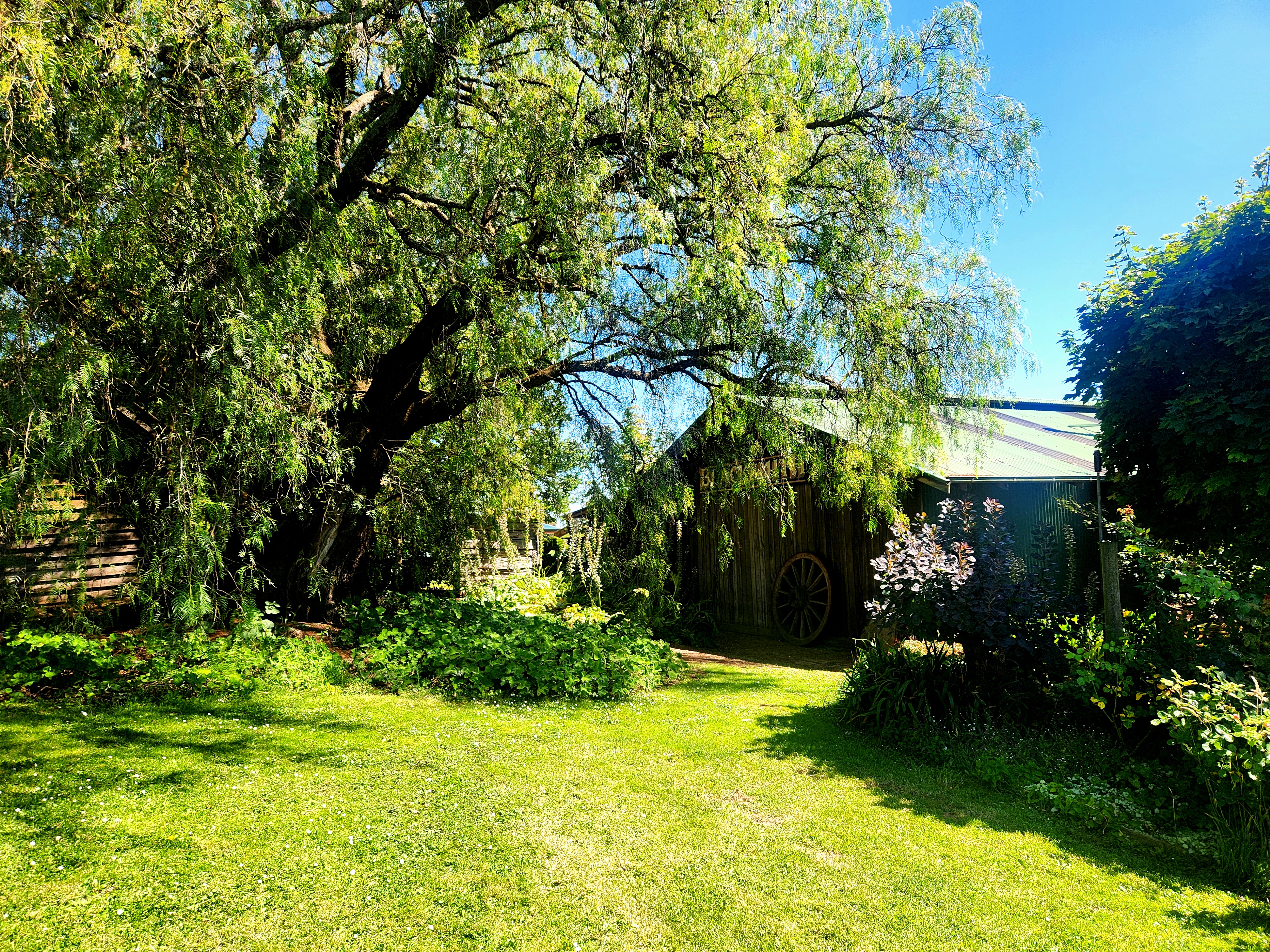
The rose gardens were the first thing that greeted me, bursting with colour and fragrance.

Wandering among them felt like stepping inside a living painting.

Birds flitted through the branches, filling the air with their song.

There’s a tenderness in how the garden is cared for.

You can feel it in every petal, every perfectly tended path.

It’s peaceful, welcoming, and the perfect place to unwind after a day on the road.

Today’s roadmap:


Won't you PLEASE leave a Reply?